Bridging The Gap Between Grid And Containers
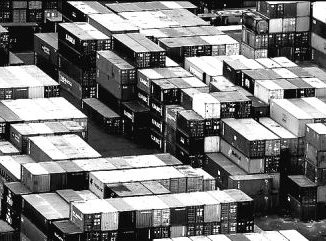
At the moment, there are two types of software container users, but in the long run, there will probably only be one. …
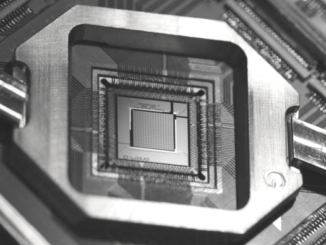
If not for the fact that there are several installed, functional quantum computers on the planet chewing away on tough problems—including the burdensome issue of their own operation—one might suspect that these systems were still more science fiction than reality. …
The next wave of virtualization on servers is not going to look like the last one. …
For last several decades, large-scale computing, whether for massive supercomputers or distributed enterprise systems, has been engaged in a never-ending game of whack-a-mole. …
The cloud doesn’t just provide utility pricing on compute, storage and networking. …
The mantra of the hyperscalers is “infrastructure as code,” meaning that all layers of hardware and systems software should be configurable through software, not by humans working manually through command line interfaces. …
As has been demonstrated, it is relatively easy to launch tens of thousands of containers on a single host. …
There has been quite a lot of Docker momentum in the datacenter over the last year, and a strong companion effort to move containers into a wider range of user bases. …
Sometimes, the customers get out ahead of the vendor community and they lead. …
As the first major open source code ever donated by Google to the world and a key component of a containerized software stack, the Kubernetes container controller has generated a lot of enthusiasm and is seeing widespread and early adoption for those who want to deploy Docker or rkt containers to host their applications. …
All Content Copyright The Next Platform