Cloud
Under The Hood Of Google’s TPU2 Machine Learning Clusters
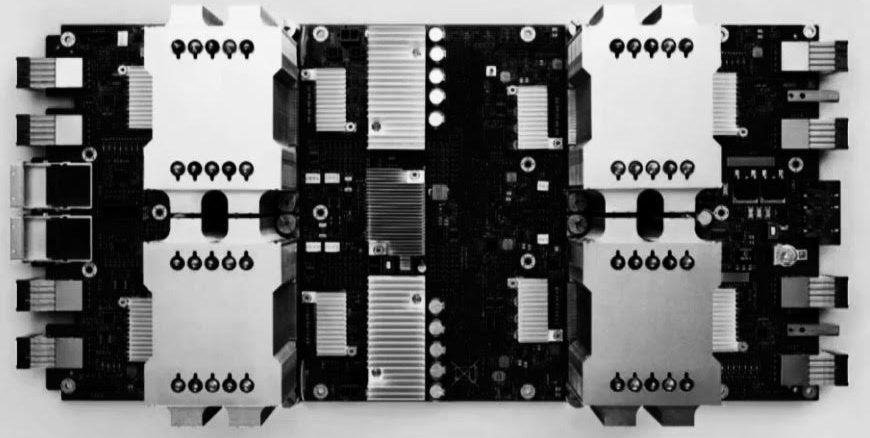
As we previously reported, Google unveiled its second-generation TensorFlow Processing Unit (TPU2) at Google I/O last week. …

As we previously reported, Google unveiled its second-generation TensorFlow Processing Unit (TPU2) at Google I/O last week. …
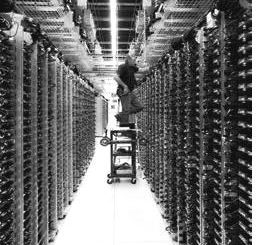
Google created quite a stir when it released architectural details and performance metrics for its homegrown Tensor Processing Unit (TPU) accelerator for machine learning algorithms last week. …
Four years ago, Google started to see the real potential for deploying neural networks to support a large number of new services. …
Google has always been a company that thinks big. After all, its mission since Day One was to organize and make accessible all of the world’s information. …
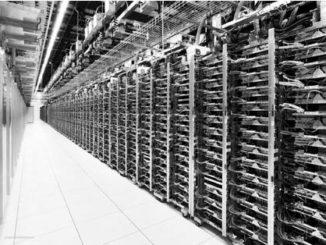
Google’s Cloud Platform is the relative newcomer on the public cloud block, and has a way to go before before it is in the same competitive sphere as Amazon Web Services and Microsoft Azure, both of which deliver a broader and deeper range of offerings and larger infrastructures. …
There is an old joke that in the post-apocalyptic world that comes about because of plague or nuclear war, only two things will be left alive: cockroaches and Keith Richards, the guitarist for the Rolling Stones. …
Kubernetes, the software container management system born out of Google, has seen its popularity in the datacenter soar in recent years as datacenter admins look to gain greater control of highly distributed computing environments and to take advantage of the advantages that virtualization, containers, and other technologies offer. …
Google has proven time and again it is on the extreme bleeding edge of invention when it comes to scale out architectures that make supercomputers look like toys. …
In the ideal hyperscaler and cloud world, there would be one processor type with one server configuration and it would run any workload that could be thrown at it. …
At some point, all of the big public cloud providers will have to eat their own dog food, as the parlance goes, and run their applications atop the cloudy version of their infrastructure that they sell to other people, not distinct and sometimes legacy systems that predate the ascent of their clouds. …
All Content Copyright The Next Platform