HPC
Storage Performance Models Highlight Burst Buffers at Scale
For storage at scale, particularly for large scientific computing centers, burst buffers have become a hot topic for both checkpoint and application performance reasons. …

For storage at scale, particularly for large scientific computing centers, burst buffers have become a hot topic for both checkpoint and application performance reasons. …
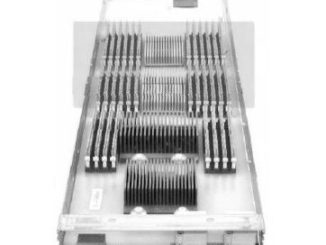
In the previous article, we left off with the basic storage model having its objects first existing as changed in the processor’s cache, then being aged into volatile DRAM memory, often with changes first logged synchronously into I/O-based persistent storage, and later with the object’s changes proper later copied from volatile memory into persistent storage. …
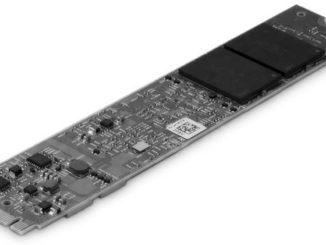
If component suppliers want to win deals at hyperscalers and cloud builders, they have to be proactive. …
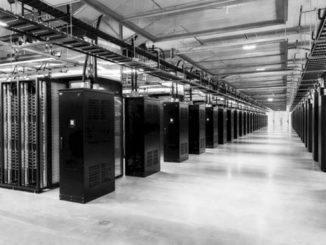
With machine learning taking off among hyperscalers and others who have massive amounts of data to chew on to better serve their customers and traditional simulation and modeling applications scaling better across multiple GPUs, all server makers are in an arm’s race to see how many GPUs they can cram into their servers to make bigger chunks of compute available to applications. …
All flash storage arrays can be sprinkled around the datacenter to provide zippy block storage for database virtual server applications. …
A year ago, at the Open Compute Summit, Hewlett-Packard Enterprise, which was not even called that yet, unveiled its bare-bones, vanity free, hyperscale-class Cloudline server lineup, which had the double-edged task of keeping the company selling minimalist machines in China in conjunction with manufacturing partner Foxconn while at the same time giving HPE a chance to defend against the unrelenting pressure of the handful of original design manufacturers (ODMs) that want to topple the world’s largest server maker from its perch. …
The convergence of servers and networks forced the hand of networking giant Cisco Systems back in the late 2000s, compelling it to create the Unified Computing System blade servers and their integrated networking and launch them nearly seven years ago now, upsetting the balance of power in the datacenter. …
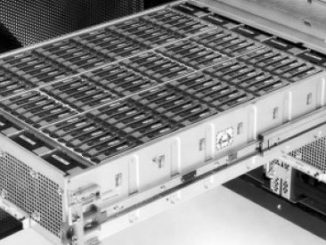
This being leap year day, storage juggernaut EMC is having fun with puns about quantum leaps and frogs as it launches its much-anticipated DSSD all-flash arrays aimed at extreme I/O performance. …
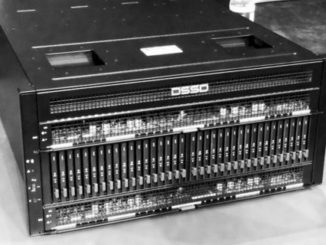
If you want to know just how far the performance of an all-flash array can be pushed, you need look no further than the DSSD D5 array that, after years of development and mystery, is being launched by storage juggernaut EMC today. …
All Content Copyright The Next Platform